
 Image 1 of 2
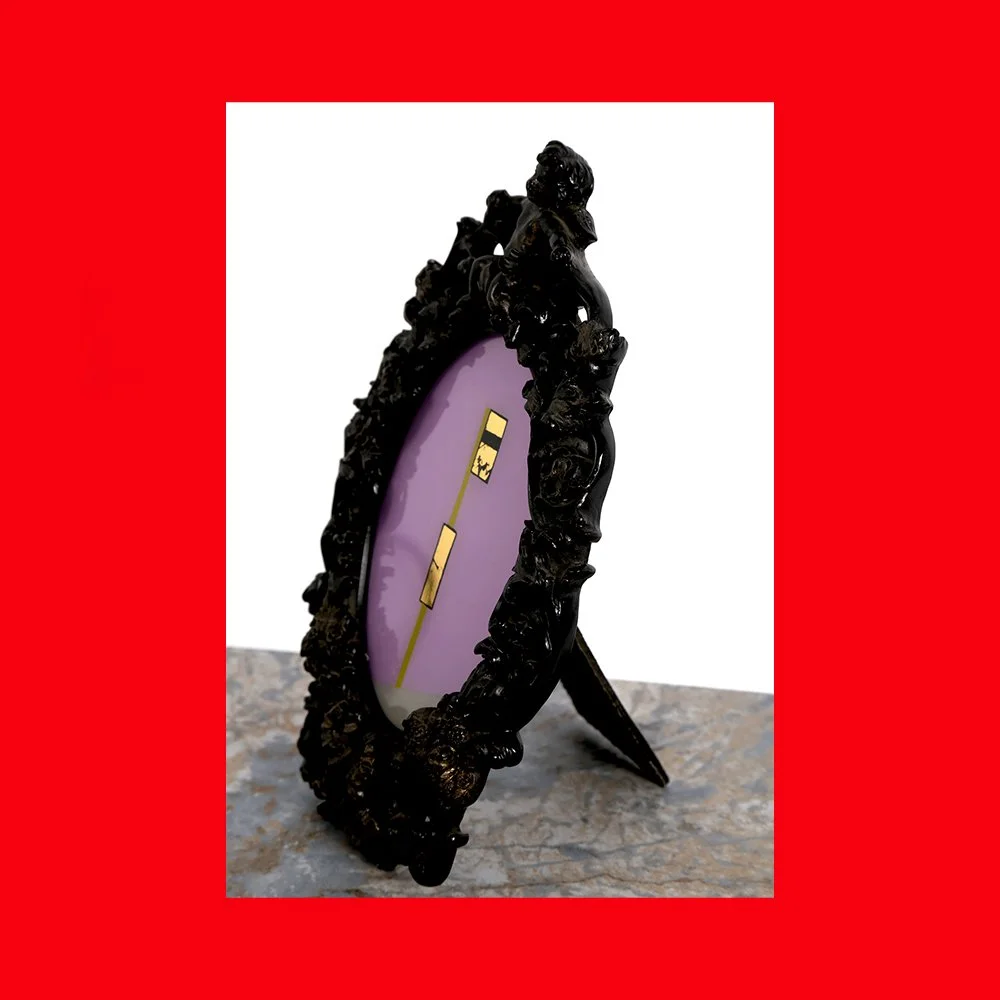 Image 2 of 2
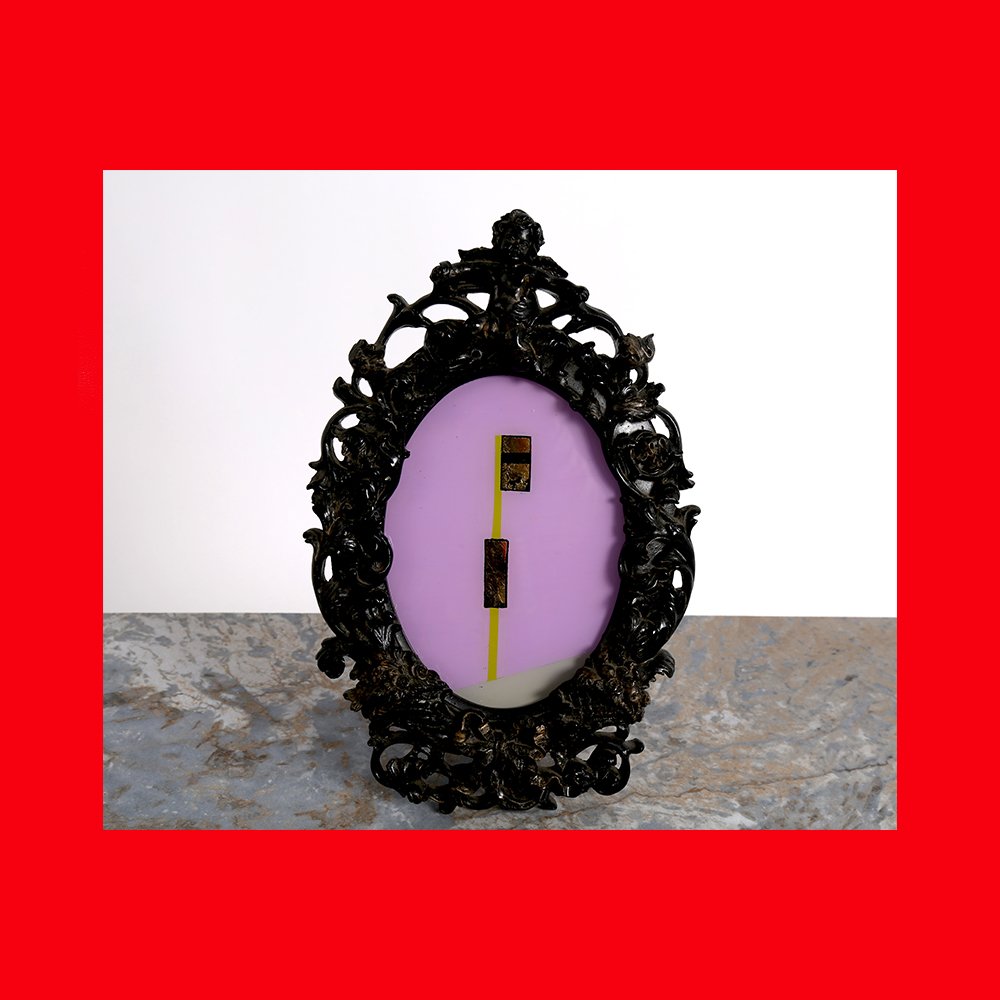
Bus Stop No2 strips away all surrounding context, isolating the structure itself as both subject and symbol. Removed from landscape and distraction, the bus stop stands alone,its presence undeniable. What might once have been overlooked becomes monumental.
Painted on glass, the work foregrounds the surface as much as the image. Scratches, fractures, and abrasions are not incidental details but integral elements, carefully rendered to reflect the lived reality of these spaces,worn yet unbroken.
The gilded bus stop sign introduces a powerful disruption. Gold, historically associated with value and reverence, reframes the shelter as something worthy of attention and respect. It acts as both marker and metaphor, suggesting that even in states of neglect, there remains significance, purpose, and dignity.
This sense of elevation is extended through its presentation. The work is set within an ornate frame, an intentional contrast that further celebrates working class spaces by placing them within a visual language traditionally reserved for prestige and importance. In doing so, the piece challenges hierarchies of value, asserting that these everyday structures, and the communities connected to them, deserve the same recognition and reverence.
By removing human figures and environment, Bus Stop No. 2 becomes less about a specific place and more about aging infrastructure, quiet resilience, and the systems that leave such spaces to endure without care. Despite its cracks and wear, the structure persists, continuing to serve those who rely on it. This work invites a reconsideration of strength, not as perfection or preservation, but as the ability to remain standing, functional, and present despite visible wear.
Edition 1/1
H: 235 W: 175 oval
Bus Stop no2- gilded reverse glass painting - framed in ornate black $800
10% of every piece sold from the working class collection is donated to Accumilate, an art school for the homeless based in East London.