
 Image 1 of 3
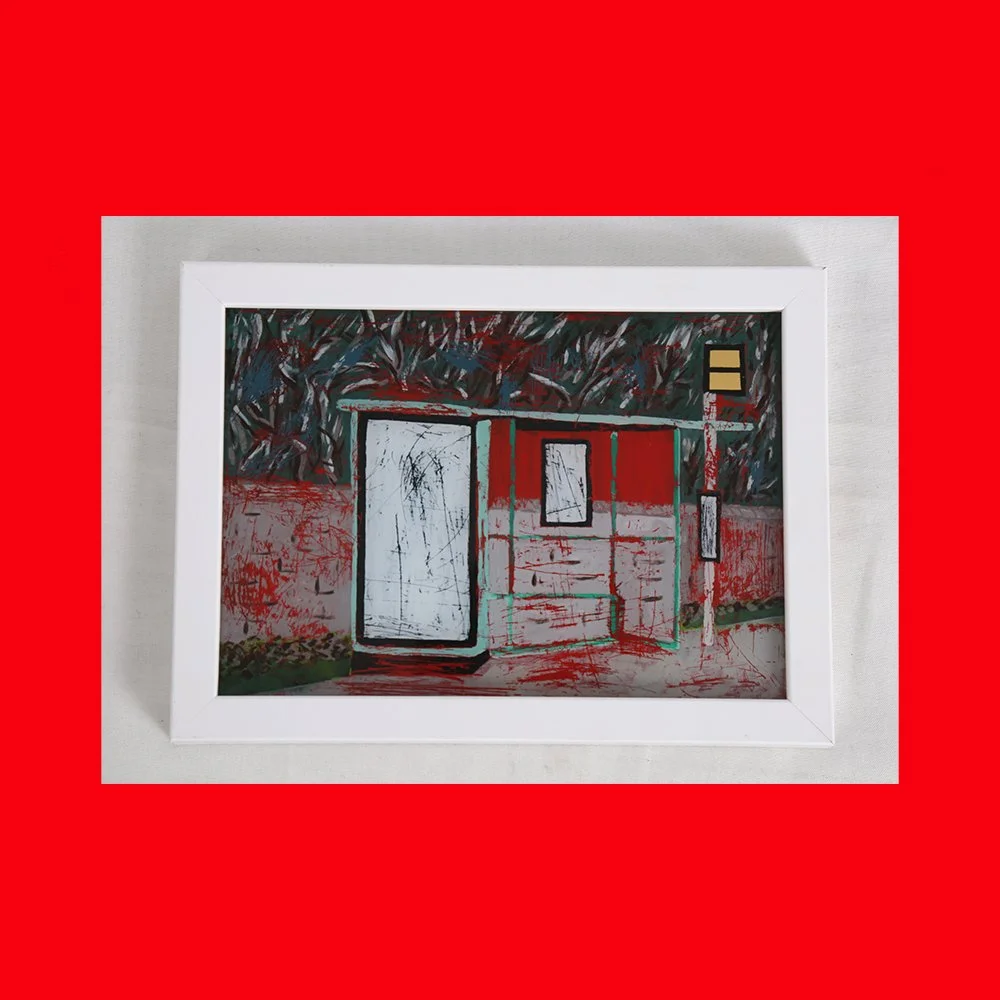 Image 2 of 3
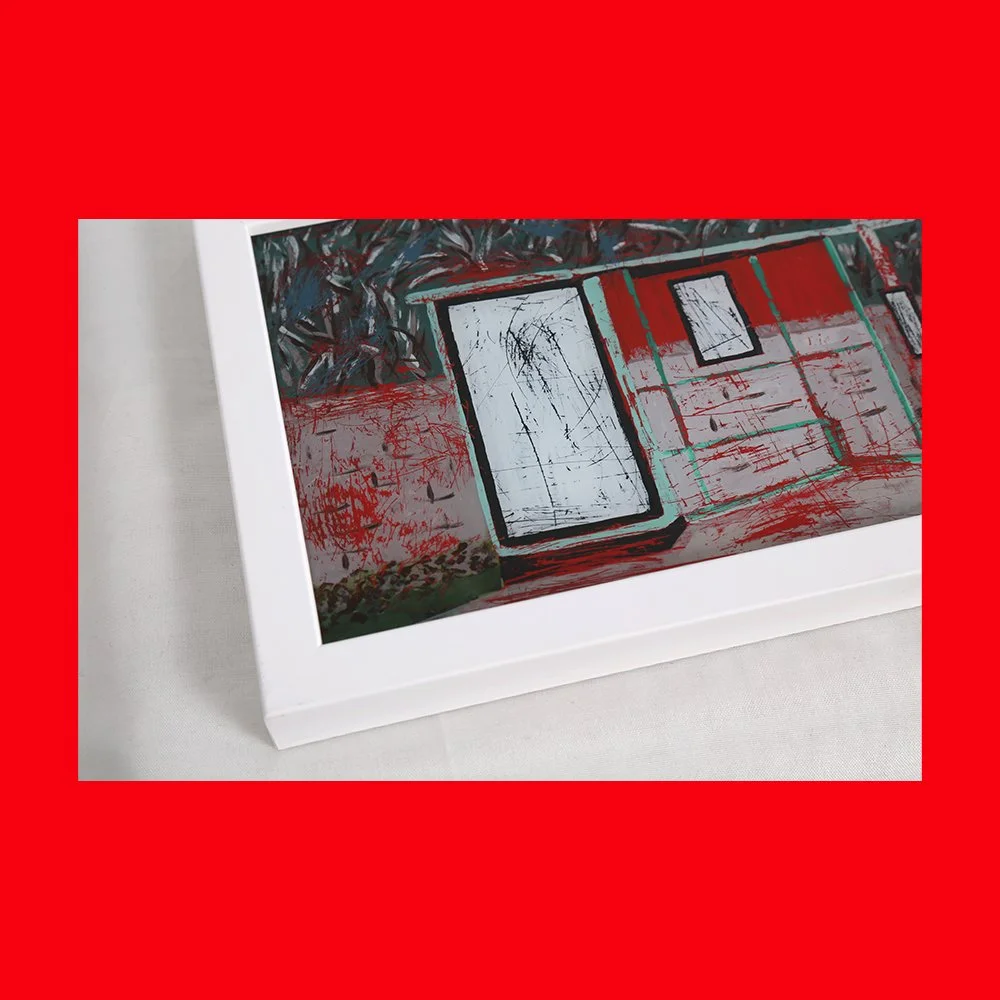 Image 3 of 3
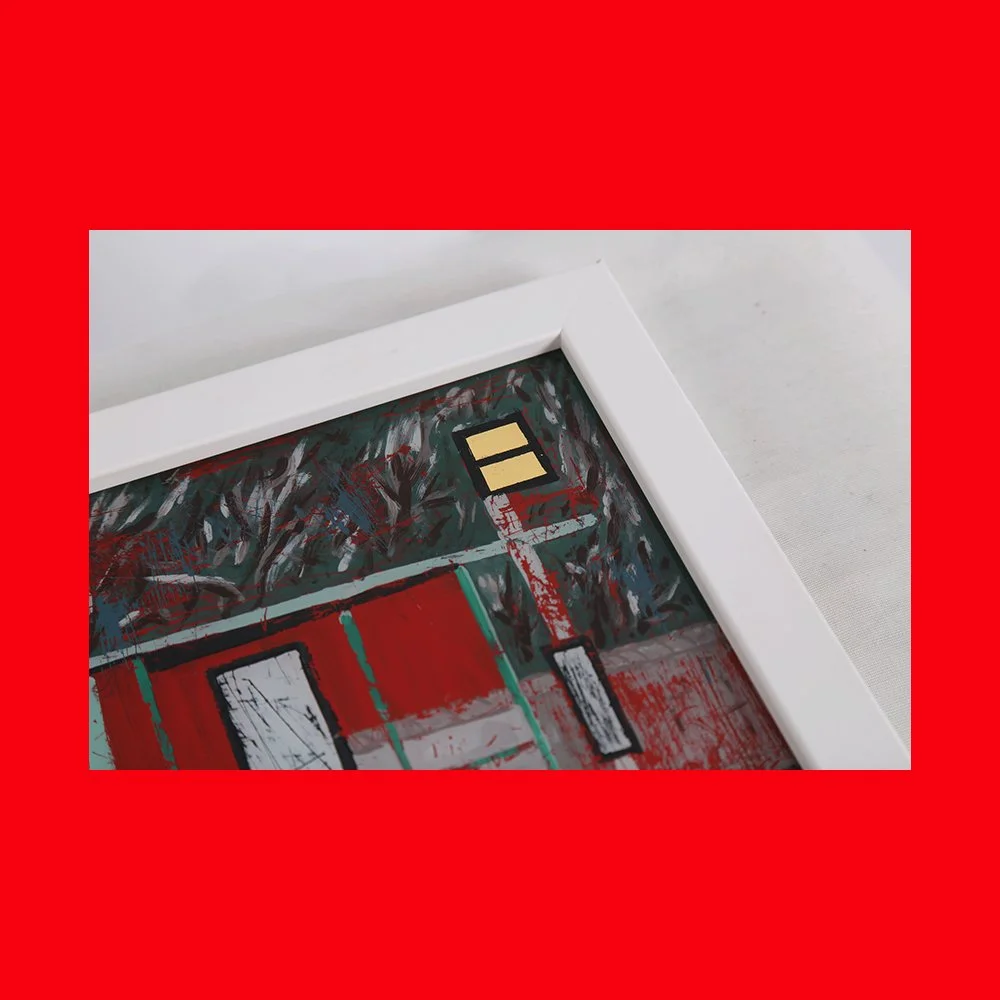
Part of the ongoing Working Class Collection, this piece centres on a familiar yet overlooked structure: the semi rural bus stop. Seemingly abandoned, yet still in use, these shelters exist across the UK as quiet witnesses to daily movement, scratched, weathered, overgrown, but enduring.
Rendered on glass, the work captures both the physical surface and its history of use. Marks, etchings, and fractures are not erased but preserved, echoing the traces left by those who have passed through. These are spaces most often occupied by working class communities, people waiting, often without recognition, for transport to work, to home, to somewhere necessary.
The bus stop sign, adorned with gold leaf, becomes a deliberate contrast. It elevates the ordinary into something symbolic, a beacon within an otherwise neglected environment. The gold does not deny hardship; instead, it reframes it, asserting value where it is rarely acknowledged. It suggests that the people who occupy these spaces, and the journeys they undertake, carry their own dignity and quiet significance.
These shelters, frequently left to deteriorate by local councils, speak to a broader neglect, particularly working class infrastructure. Yet they remain functional, relied upon, and inhabited. In this way, the work holds a tension between abandonment and persistence. This piece invites viewers to reconsider what is deemed worthy of care, visibility, and reverence, proposing that even the most overlooked spaces, and the lives that pass through them, are inherently golden.
Edition 1/1
H: 235mm W: 175mm
Bus Stop no1 - gilded reverse glass painting - framed in white $950
10% of every piece sold from the working class collection is donated to Accumilate, an art school for the homeless based in East London.